What Wyke Businesses Do Smarter With Storage
Find Out More →Walk past any of the small businesses dotted around Wyke—the ones tucked near the industrial estates or squeezed into high street corners—and you'll notice something. They don't hoard stock in their shop, cram files into a back office, or pile seasonal displays in every corner. They've got a system. Most of them use self storage, and they use it with a clarity that a lot of homeowners miss. The difference isn't complicated. It's just intentional.
Why businesses think differently about storage
Businesses don't store things 'just in case'. They store things because they have to—and they know exactly why. A shop needs archive space for paperwork. A tradesman needs somewhere to keep stock that isn't in current use. A freelancer needs a dry place for equipment between jobs. They rent a unit at Self Storage Wyke and treat it like a business expense, which means they're careful about what goes in and how long it stays there.
Homeowners tend to approach it differently. We keep things because we might need them, or because we feel guilty throwing them away, or because the spare room isn't doing anything useful anyway. That's the mental gap worth closing. When you start thinking about your storage like a business does—asking yourself why something needs storing, and when it'll leave—your whole approach shifts.
How businesses organize to actually find things
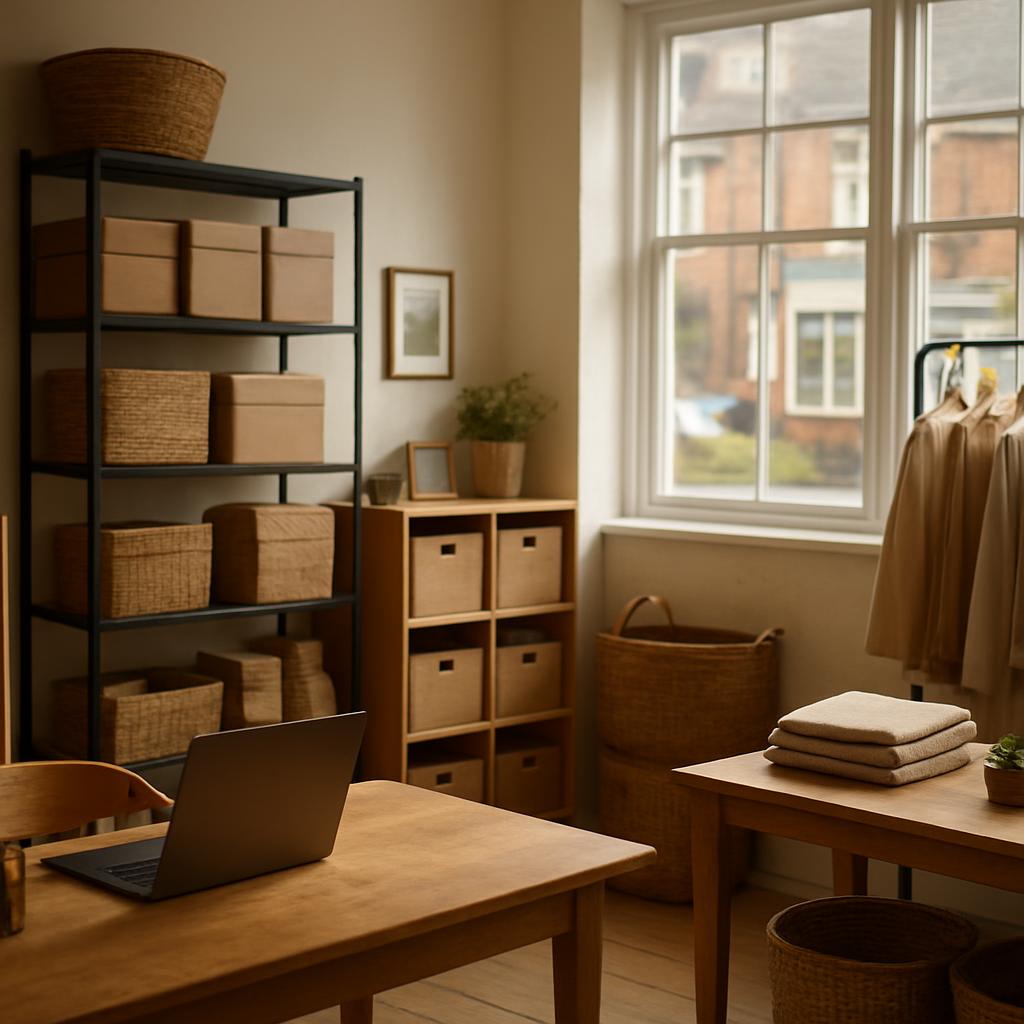
Ever tried to locate something in a unit you packed six months ago? Businesses don't have that problem. They label everything. Seriously—every box, every shelf section, sometimes every item. They'll photograph their units too, keep a digital inventory, and know exactly where seasonal stock lives or what paperwork is filed where.
You don't need to be military about it at home, but the principle works. As we covered in this guide, the difference between storage that frustrates you and storage that actually helps is organization. Box up your winter clothes, label them 'winter coats—2025/26', maybe snap a photo. You're not running a warehouse. You're just making sure that when December rolls round, you can find them in five minutes instead of twenty.
They only store what they actually use
This is the big one. Businesses can't afford to pay rent on stuff they've forgotten about. They review their units. They move items out when they're no longer needed. They don't cling to stock that isn't selling or keep files for decades after they're legally required.
At home, this means being honest about what you're really holding onto. Find out more about how this works in practice and you'll see the theme: if you haven't used it in two years and don't have a concrete reason to keep it, it probably doesn't belong in a storage unit. You're paying monthly for space. Make it count. Keep the Christmas decorations, the seasonal garden furniture, the sports equipment your kids actually use. But that box of old textbooks or the furniture from the flat you moved out of in 2019? Sell it, donate it, or recycle it. The money you'll save on storage will surprise you.
They keep access and costs in mind from the start
A local business knows how often they'll need to visit their unit and picks one they can actually reach easily. They don't rent a bigger space than they need just because it's available. They think about what they'll store—fragile stock, important documents, damp-sensitive materials—and choose the right conditions.
The same logic applies at home. If you're storing things you'll need to access regularly—seasonal clothes, hobby equipment, Christmas decorations—pick a unit that's convenient to get to. If you're archiving something you might never look at again, a standard unit is fine. And if you've got anything moisture-sensitive, temperature matters. This article explains how to match your needs to the right unit type, which honestly saves money and stress.
The takeaway for Wyke homeowners
You don't need to run your household like a business. But when it comes to self storage, borrowing a bit of that clarity pays off. Ask yourself why you're storing something, organize it so you can find it, be willing to let things go, and pick a unit that actually fits your life. That's what works locally, whether you're running a shop or managing a family home with limited space.
If you're ready to start, Self Storage Wyke is here to help you figure out exactly what size and type of unit makes sense for what you're actually storing. Get in touch—we can walk you through it.
Looking for Self Storage near Wyke?
We have secure, flexible units available in the area. Get in touch with Self Storage Wyke today.
Find Out More →