What Wyke Businesses Get Right About Storage
Find Out More →Walk into most local businesses in Wyke and you'll notice something: they treat self storage like a strategic tool, not a last resort. Homeowners, by contrast, usually book a unit when they're already drowning in boxes—or when they've finally run out of loft space. That difference in timing and approach makes a real difference to cost, hassle, and how much use they actually get from their storage. The good news is you don't need to run a business to think like one.
Why businesses plan their storage before they need it
Businesses book storage months ahead. They're not scrambling. They know that seasonal stock, archive paperwork, or equipment needs space—and they arrange it properly, not in a panic.
Most homeowners do the opposite. You wait until the spare room is overflowing, or until you're moving house in three weeks, or until you've inherited furniture you don't know what to do with. By then, you're paying premium rates, taking whatever unit is left, and often storing things you haven't thought through clearly enough to categorise properly.
Local businesses also think in seasons. If you run a retail operation or a trades business in Wyke, you know Q4 will be busy, stock will pile up, and you need that buffer space ready. Homeowners rarely think that way about their own stuff—but the principle works just as well. If you know Christmas decorations, garden furniture, or old furniture from a refurb are coming, booking self storage in advance costs less and means you're not stressed when the moment arrives.
How they organise what goes in (and what stays out)
A business doesn't throw random items into a storage unit. They inventory what's going in, label it, and know exactly why it's there and when it's coming out again.
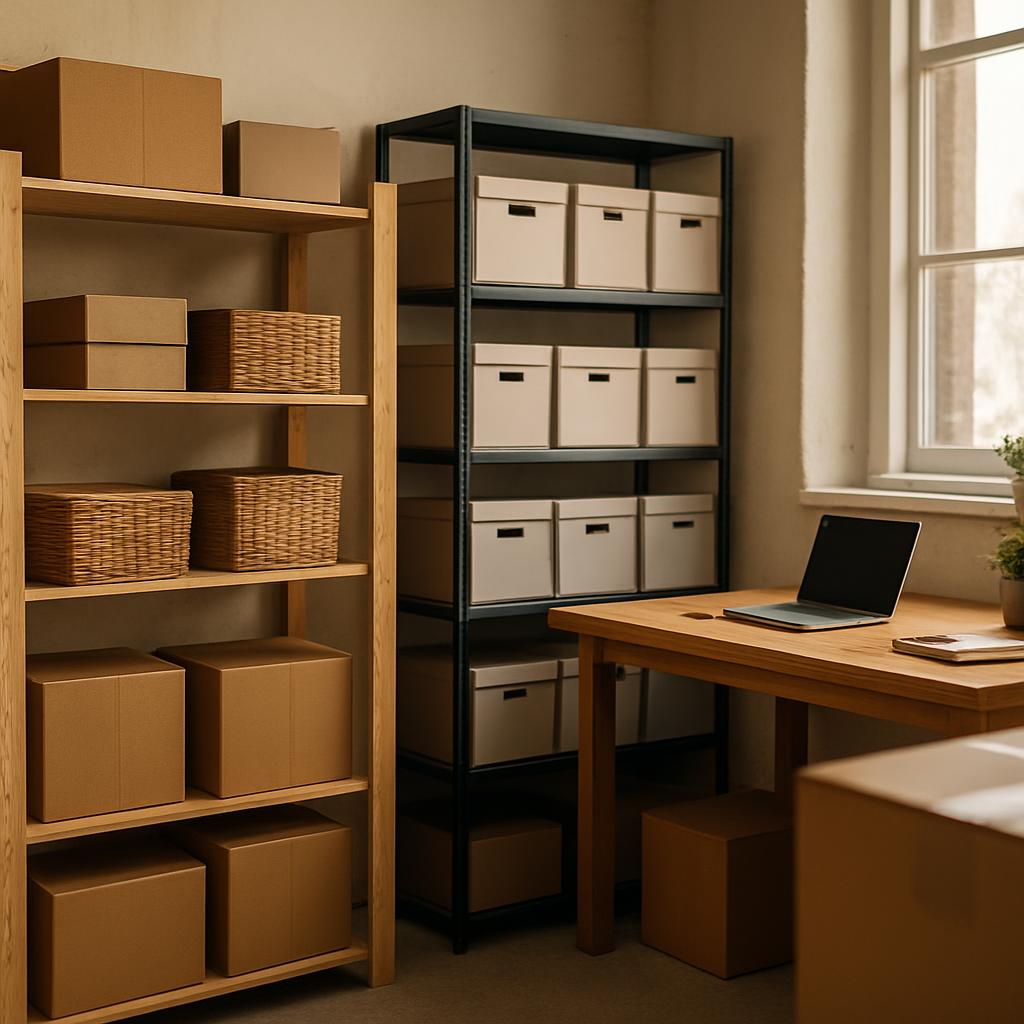
That discipline is worth copying. When you're packing for self storage, take five minutes to write down what's actually going in and categorise it: seasonal items, things being kept short-term, archive paperwork, furniture. Label boxes clearly. Take a photo of what you're storing. It sounds like extra work, but it saves time later—and it stops you from renting more space than you actually need.
Businesses also ask themselves a hard question: does this need to be stored at all? Or is it just taking up rent money? That's worth asking at home too. There are some common mistakes Wyke locals make with storage—and keeping things out of storage in the first place is often the smartest move. Before you book a unit, ask whether you really need what's taking up space. Sell it, donate it, recycle it. If it won't fit in your home and you haven't used it in a year, storage probably isn't the answer.
Getting the right unit size without paying for empty space
Businesses measure before they book. They know whether they need 50 square feet or 200, because they've got a rough idea of volume. They don't just pick a size and hope it works.
Most homeowners guess—and end up renting more space than they use, or booking something too small and having to upgrade awkwardly mid-way through. Here's what works: get your items together (or get a rough list if you're planning ahead), and think about volume rather than just 'stuff'. A three-piece suite takes more room than you'd expect. A filing cabinet doesn't. Boxing things neatly also shrinks the footprint. Understanding what you'll actually pay for storage means knowing exactly what size you need—not just guessing and overpaying month after month.
Why access patterns matter
A business using self storage knows how often they'll need to get things out. Are they pulling stock weekly? Monthly? Once at the end of the season? That affects what they book—location, unit type, climate control, access times.
Apply the same logic at home. If you're storing Christmas decorations and won't touch them for eleven months, you don't need premium access or climate control. If you're storing files or tools you'll need to reach every few weeks, location and access hours matter more. You can read more about how Wyke businesses approach self storage—many of those same considerations apply to household storage too.
Thinking about access upfront also stops you paying for features you won't use. Some storage setups in the area offer 24-hour access or premium climate control. Businesses pay for those when they genuinely need them. Most home storage doesn't—and you'll save money (and get a more suitable unit) if you're honest about how often you'll actually visit.
The takeaway
Businesses don't treat storage as an emergency band-aid. They plan ahead, they think about what's actually going in and why, they measure properly, and they're realistic about what they'll need and when. That approach costs less, causes fewer headaches, and gets you real value from your storage instead of just a monthly bill for unused space.
If you're thinking about self storage in Wyke, start by thinking like a business owner. Plan ahead, categorise your items, measure before you book, and be honest about how often you'll actually need access. Then get in touch with Self Storage Wyke—they can help you find a unit that matches what you actually need, not what you hope might work.
Looking for Self Storage near Wyke?
We have secure, flexible units available in the area. Get in touch with Self Storage Wyke today.
Find Out More →